
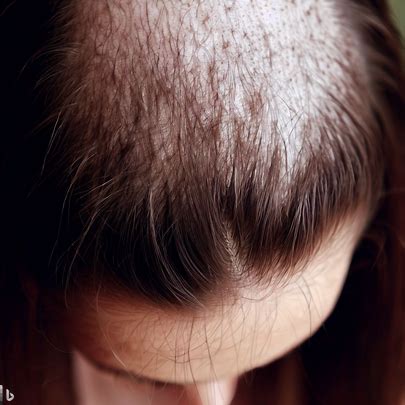
Alopecia areata is an autoimmune disorder characterized by the sudden and often unpredictable loss of hair in well-defined, usually round patches on the scalp or elsewhere on the body. It can be a challenging condition, both medically and psychologically, as patients grapple with the sudden change in appearance and the unpredictability of hair regrowth. This article explores the pathophysiology of alopecia areata, its impact on patients, and the potential of topical treatments like minoxidil and finasteride.


Understanding Alopecia Areata
Pathophysiology
Alopecia areata is believed to be an autoimmune condition where the body’s immune system mistakenly attacks the hair follicles, leading to hair loss. The exact trigger for this autoimmune response is not well-understood but may involve a combination of genetic and environmental factors.
Clinical Presentation
The most recognizable manifestation is the sudden appearance of round or oval patches of hair loss. The skin in these areas usually appears healthy without any scarring. The condition can remain localized or progress to include larger areas of the scalp (alopecia totalis) or even the entire body (alopecia universalis).
Treatment Options
There are various treatments available for alopecia areata, ranging from corticosteroids to more advanced therapies. The goal of treatment is not just to promote hair regrowth but also to prevent further hair loss.
Minoxidil
Minoxidil is a topical solution originally developed to treat hypertension. When used topically, it was observed to promote hair growth. While its exact mechanism in promoting hair growth remains uncertain, it’s believed to increase blood flow to hair follicles and extend the anagen phase (growth phase) of the hair cycle.
For alopecia areata, minoxidil can be applied directly to the bald patches. Studies have shown that minoxidil can promote hair regrowth in individuals with alopecia areata, but results can vary from person to person. It’s most effective when used in the early stages of the disease.
Finasteride
Finasteride is an oral medication originally developed to treat prostate enlargement. It works by inhibiting the enzyme 5-alpha-reductase, which converts testosterone to dihydrotestosterone (DHT). DHT has been implicated in androgenetic alopecia (male and female pattern baldness) as it shrinks hair follicles.
While finasteride has proven effective for androgenetic alopecia, its role in treating alopecia areata is less clear. Some small studies suggest potential benefits, but more extensive research is needed. Additionally, finasteride’s systemic effects make it less appealing as a first-line treatment for alopecia areata. However, there are topical formulations of finasteride that aim to provide localized benefits with reduced systemic exposure, but these too require further study.
Conclusion
Alopecia areata remains a challenging condition to treat, primarily because of its unpredictable nature. While minoxidil offers promise as a topical solution, results can vary. Finasteride, although more commonly associated with androgenetic alopecia, may offer some benefits, but more research is needed.
Best value products


